Wider culture
Double Dutch Was Already a Whole World
The game mattered because it trained the eye and ear at the same time, turning sidewalks and schoolyards into small theaters of rhythm.
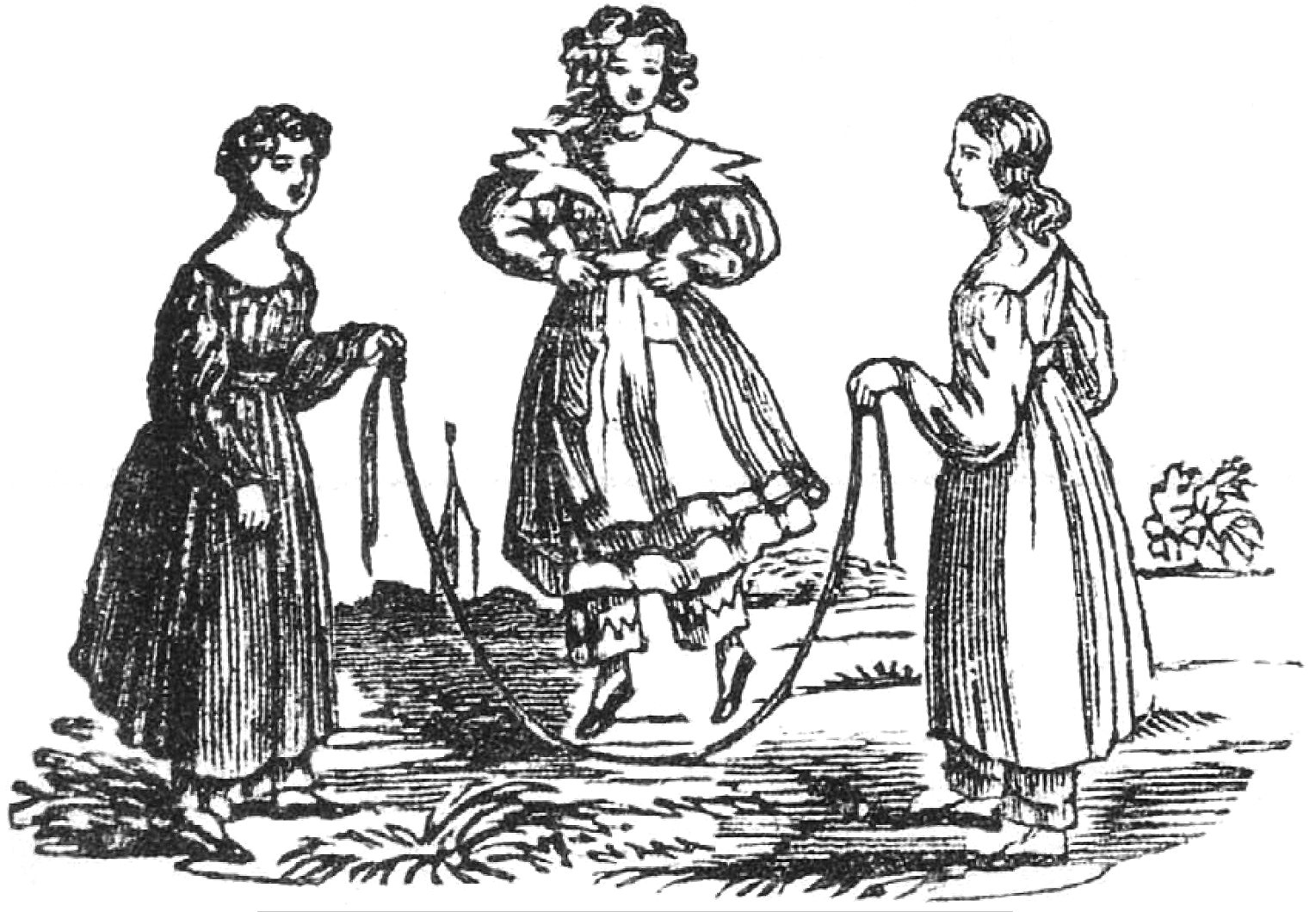
When people reduce Double Dutch to a catchy phrase, the whole thing shrinks on contact. Before it ever showed up in record bins or TV cues, it was already a serious neighborhood performance, with rules, pressure, style, and the kind of public concentration that makes bystanders stop what they are doing. The ropes made the frame, but the real show lived in timing, chatter, nerves, and the confidence to walk straight into the center of it.
That part gets clearer if you spend time with pieces like the WHRO and NPR story on the Fantastic Four, which treats Double Dutch as athletic and social invention rather than a cute leftover from childhood. The game sharpened rhythm, but it also sharpened style. People were judged on how they entered, how they recovered, how they held the crowd, and how cool they looked when the ropes were moving fastest.
It also deserves to be talked about as Black girls’ public culture, which is exactly the angle that too many pop histories dodge. Street games, hand games, chants, and rope routines were full of musical intelligence long before critics decided they counted as culture. If a lot of early rap, go-go, and playground-based records feel so immediate, it is because they are working with forms that already knew how to organize attention in public.
That is one reason musicians kept reaching toward Double Dutch. They were not just borrowing a phrase that sounded fun. They were trying to pull organized motion, group response, and neighborhood wit into the studio, which is a much harder trick than the word “novelty” makes it sound.
The best records that touch this world do not feel like they are looking down at it. They feel like they know the speed of it, the impatience of it, and the way a crowd starts murmuring before a good routine even begins. You can hear the attraction immediately: Double Dutch already had suspense, release, repetition, and a built-in audience.
So when the phrase turns up in pop, it should not be heard as some random bit of urban color. It is a sign that musicians were listening to a living rhythm culture that was already bigger than any one song. The records are part of the story, but they are not the whole story, and the older story is richer than most music writing has allowed.
It also helps to remember how much discipline sits inside the apparent play. Good Double Dutch is not just exuberance. It is precision under pressure, showmanship balanced against collective timing, and a public willingness to risk failure in front of people who know exactly what they are looking at. Those are musical qualities as much as athletic ones, which is part of why the form kept echoing through records long after critics started pretending it was quaint.
What gets missed in thin retellings is the dignity of that culture. The game was not waiting around to be validated by pop. It already had stakes, stars, reputations, and neighborhood memory of its own. The best Frankie Smith writing should start there. Once you see Double Dutch as a whole world rather than a decorative phrase, the song’s ambition grows and the old novelty framing starts to look much too small.