The record
A Philly Record With Bus Fare in Its Pocket
Bus fare, missed trains, sore feet, and the SEPTA TransPass give the record a setting so lived-in that you can practically hear the transfer slip crackle.

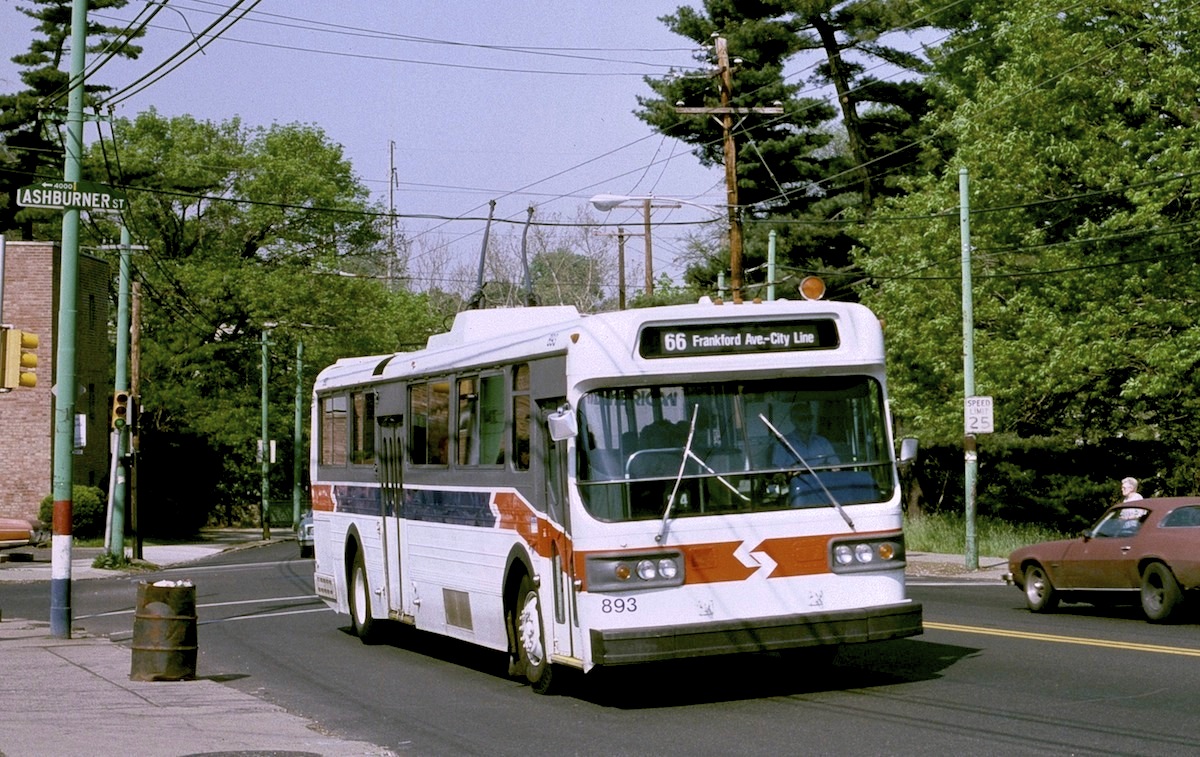
What keeps “Double Dutch Bus” from floating off into novelty is the hard little machinery inside it. This is not a fantasy of urban cool painted in broad strokes. It is a record about getting around, being late, counting fare, and trying to keep your humor while the city keeps nudging your day sideways.
Even the basic song entry on Wikipedia notes that Smith drew on SEPTA and the world around it, and that clue opens the whole track. The references to a TransPass, missed connections, and a long walk to work give the record a local grain that pop songs usually sand away. You are not hearing some generic city backdrop. You are hearing a Philadelphia routine made musical.
That everyday detail changes the way the groove lands. The beat bounces, but the story inside it is full of practical irritation, the kind that everybody on public transit recognizes on contact. Smith never wallows in it. He turns delay, expense, and bodily annoyance into movement, which is a very Philadelphia trick. You complain, you laugh, and you keep it moving.
There is also something slyly democratic in the way the bus works as an image. A bus is shared space, not private fantasy. People crowd in, talk over each other, flirt, clown, and drag their moods aboard. That social churn is all over the record, which is one reason it still sounds less like a studio confection than like a piece of life with a backbeat.
That specificity is why the song traveled so well. Listeners outside Philadelphia may not know a SEPTA pass from a subway token, but they know what it means when a song smells like real life instead of marketing copy. Smith gave the hit a city to stand in, and that city still holds it up.
That grounding is one reason the record has lasted. Plenty of novelty records fade once the central joke wears off. “Double Dutch Bus” survives because the joke is only one layer; underneath it is a city song, full of work, motion, and the running commentary people carry with them just to get through the day.
There is a deeper class texture in that too. Bus songs do not come from the same imaginative world as limousine songs, and that difference is audible even when the record is clowning around. Public transit gives you overheard speech, collective irritation, forced proximity, and the low-level drama of everybody trying to stay on schedule while the system keeps slipping. Smith understood that this was already musical material if you had the nerve to trust it.
That choice makes the record feel truer than a lot of supposedly grander pop. It is not trying to mythologize the city from a safe distance. It is standing in line, digging for fare, and trying not to lose the day before it starts. Once you hear that, the song stops sounding like a premise and starts sounding like a lived report from somebody who knew exactly what details to keep.