The record
When Double Dutch Hit Wax
The cadence and group energy of the record come into focus once Double Dutch is treated as a culture with its own timing, memory, and public style.
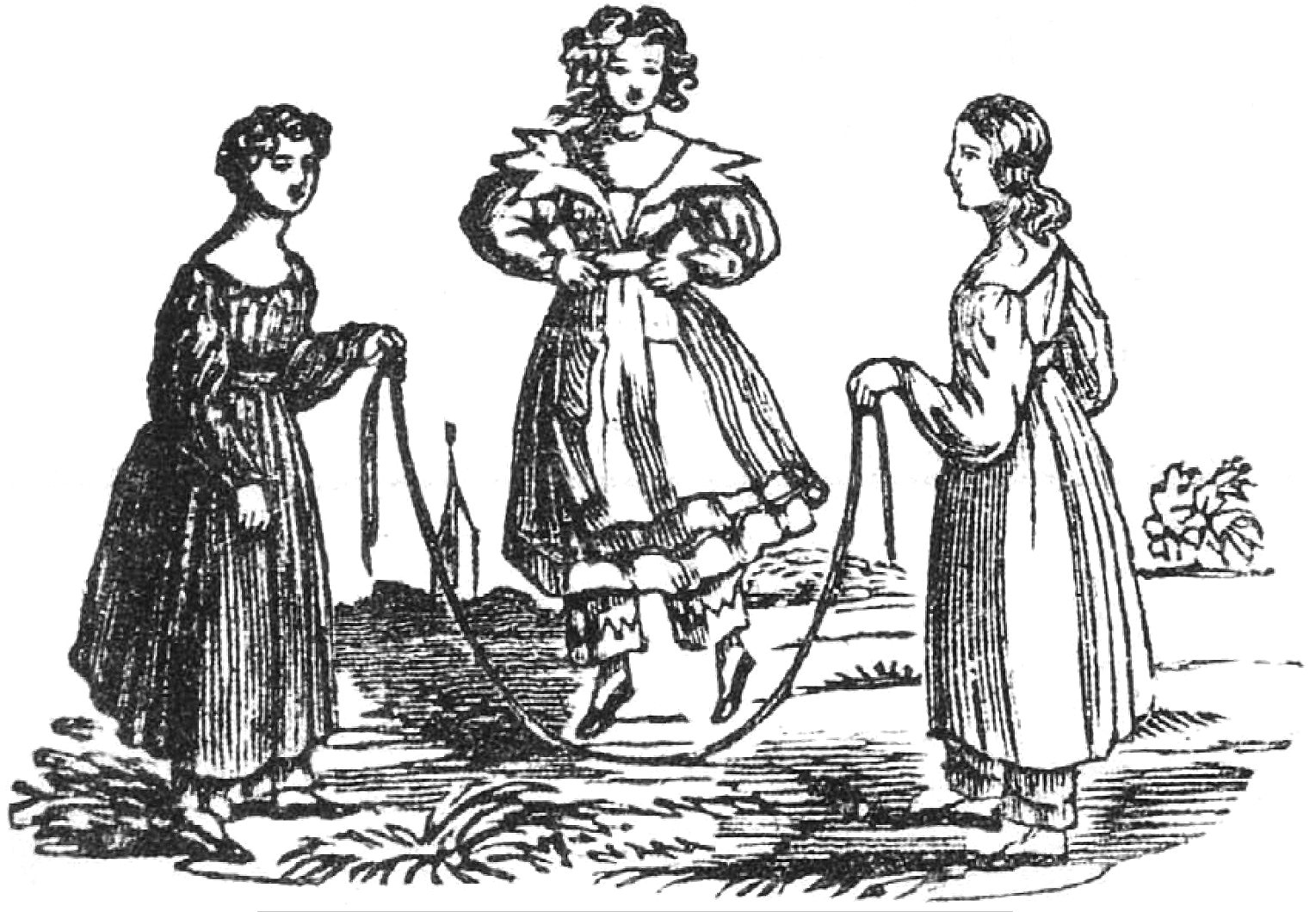
If you treat Double Dutch as a cute title, Frankie Smith’s hit shrinks immediately. The better way in is to read the song next to the history of the game itself. A sharp WHRO and NPR feature on the Fantastic Four makes the point clearly: Double Dutch was a social form, a performance culture, and a crucial part of Black girls’ public creativity long before most music writers bothered to take it seriously.
That history sharpens the sound of “Double Dutch Bus.” The record is built on cues, responses, handoff moments, and little bursts of collective timing. It does not move like a man alone in a booth trying to dominate the room. It moves like a street form carried into the studio, where rhythm is shared and attention passes around.
That is why the song never feels like it is borrowing childhood imagery for easy charm. Smith is not standing outside the form and pointing at it. He is pulling from a living social rhythm and giving it a funk frame. The difference matters. One version is novelty. The other is translation.
The timing could not have been better. As the Fantastic Four and other teams were pushing Double Dutch into national visibility, Smith released a single that understood its snap, repetition, and showmanship. The record felt current because it was current. It was listening to the same street culture that was already making crowds gather.
That link to shared motion is also part of why the song still takes off in group settings. People do not just hear it, they organize themselves around it. The record invites participation because it was built out of a culture where participation was the whole point.
That is why the song belongs in the larger conversation about early hip-hop culture, even if it is usually filed under funk or novelty. It translates a Black street form into a commercial record without flattening the communal energy that made the form meaningful in the first place. Once that link is visible, the song reads as more than a clever title and a beat.
The studio achievement is easy to underrate because the record sounds so breezy. What Smith and the musicians really did was solve a translation problem. A rope game works with sight lines, bodies, and a live crowd reading tiny shifts in speed and confidence. A record has no rope in front of you, no sidewalk, and no actual turner calling you in. It has to imply all of that through arrangement, pacing, and vocal attack. “Double Dutch Bus” does.
That is also why the record has a broader historical claim than the old novelty bins allow. It is not merely referencing a street form. It is trying to preserve the social intelligence inside that form while moving it into mass culture. That kind of transfer is one of the central stories of late twentieth-century Black popular music, and Frankie Smith deserves to be heard inside that story rather than off to the side of it.