Early years
Before the Hook Took Off
Before Frankie Smith ever sounded loose and funny on wax, he had already spent years learning arrangement, pacing, and punch from the inside.

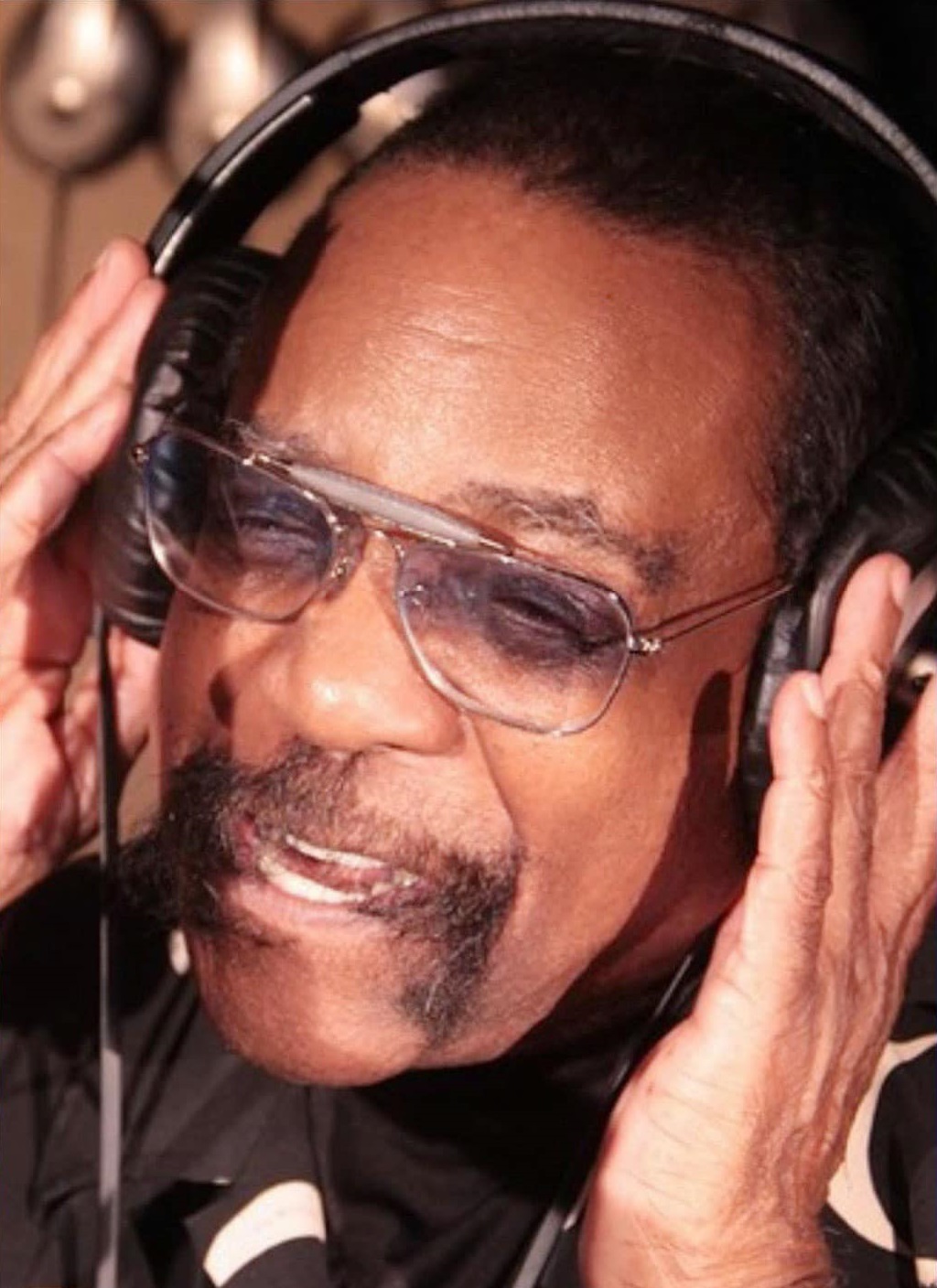
The laziest way to write Frankie Smith is to start with the hook and stop there. That version gives you a bright single, a few chart numbers, and a quick trip to the one-hit-wonder bin. It leaves out the years when Smith was learning how records move, where a joke belongs, and how to make a performance feel easy without letting it fall apart.
Biographical sketches such as the one at BlackPast place him in the Philadelphia writing world before his own breakthrough. That matters more than it may seem. Philadelphia soul did not treat craft as an afterthought, and you can hear that discipline all over “Double Dutch Bus.” The groove smiles, but the arrangement never slouches.
The early 1973 single “Double Dutch,” released under the name Franklin Franklin, is the clue that really changes the picture. It tells you the later smash was not a one-night gag. Smith had been carrying this idea around for years, figuring out how much neighborhood language, chant, and comic timing it could hold without turning shapeless.
That long runway helps explain why the 1981 record feels both casual and finished. Plenty of songs sound spontaneous because nobody bothered to sharpen them. Smith’s hit sounds spontaneous because somebody with mileage knew exactly how much polish to leave off. The looseness is part of the design, not the absence of one.
That is the piece the shorthand always loses. Before the bus started rolling, there was a songwriter doing the slow work, taking notes on the city around him, and building the kind of musical confidence that can hide inside a grin.
Hearing the song that way makes it larger, not smaller. Smith was a professional songwriter who knew how to turn a local memory into a national single without scrubbing away the local part. The lightness of the finished record is real, but it sits on top of craft, patience, and a long stretch of work.
That slow apprenticeship matters because Philadelphia was not a place where you could fake your way through a session and hope charm would cover the seams. The city had too many players who knew where the pocket was supposed to sit, too many writers who understood how a hook had to return, and too many producers who could hear dead air the second it entered the room. If Smith came out of that environment sounding casual, the casualness was earned.
It also helps explain why his hit never has the brittle feel of a novelty record assembled around one joke and nothing beneath it. The joke lands because the frame is stable. The groove lands because the song has been thought through. What you hear in Frankie Smith is not raw accident but a working musician making room for looseness inside a structure solid enough to survive repeated listening.